There are some options apart from the suspended plant ceiling (plafond vegetal suspend), When it comes to choosing between exposed ceilings and suspended ceilings, there are many factors that come into play. A good contractor will discuss these with you before starting any work on your home or business. The decision is a big one, because if you get it wrong, the cost of fixing it may be more than just the price of the new ceiling!
But what are the differences between the two types of ceilings? And which one should you choose?
What Are Exposed Ceilings?
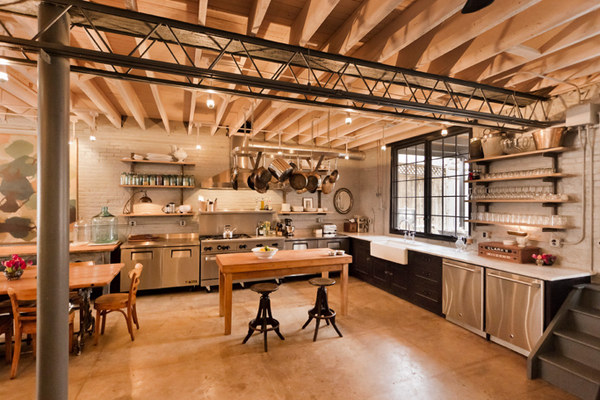
The first thing you need to know about exposed ceilings is their purpose. These are ceilings where materials like drywall and gypsum board have been installed over existing structural supports such as joists and rafters.
They offer a much larger range of options for finishing materials, including wall coverings like paint, wallpaper and fabric, which can be applied directly onto the ceiling surface.
This type of ceiling is often used in homes, but they’re also common in commercial spaces like restaurants, offices and retail stores.
What Are Suspended Ceilings?
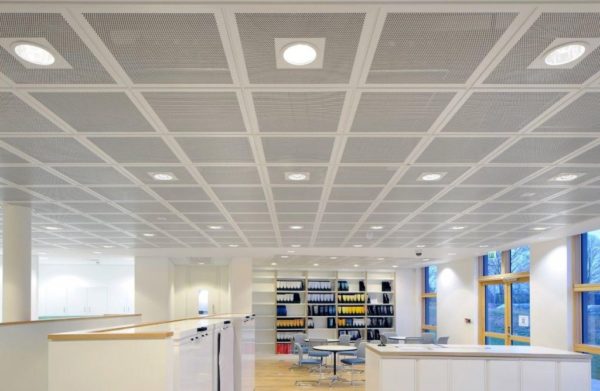
Suspended ceilings are used to create an illusion of height in rooms by suspending panels from beams, trusses or other support structures. They’re designed to be able to move independently, which allows them to be painted and decorated without interfering with the structural integrity of the room.
If you want to try something different for decorating purposes, this is probably the best option for you. You can use anything you would normally hang on a wall – pictures, artwork, rugs, etc. – and place them over a suspended ceiling.
There are several advantages to using suspended ceilings. First, they allow for far greater design freedom when creating interior space. By hanging things from beams instead of walls, you can easily make large areas look smaller or bigger, depending on how high you hang the material.
Another advantage is flexibility. Because the panels don’t need to be attached to walls, you can move them around as needed to change the way the room looks. If you have kids who like to draw all over the walls, you could suspend some of the art over the ceiling to keep it out of their reach.
Finally, there’s the issue of weight. As mentioned above, suspended ceilings are designed to be able to move freely. This means that they can be placed anywhere in a room, regardless of a wall structure. So, if you want to add some extra seating to a dining area, you could hang chairs over the ceiling.
So, now that you understand what each type of ceiling is and why you might consider one over the other, let’s take a closer look at both. Read on to learn more.
How To Decide Which Type Of Ceiling Is Right For Your Needs
Deciding whether or not you should install an exposed or suspended ceiling is a complex process. It depends entirely on your own personal taste. Some people love the idea of having a completely open feeling, while others prefer to hide everything away.
It’s important to remember that these decisions aren’t always black and white; they vary widely depending on the application. If your ceiling is going to be covered with a drop cloth most of the time, then the exposed ceiling makes more sense. However, if you’ll be painting the ceiling every day, or installing artwork regularly, you’ll want to go with a suspended ceiling.
In either case, you’ll need to decide if you want to incorporate the ceiling into your overall design scheme, or if you’d rather leave it as a blank canvas. Once you’ve decided on the style for your ceiling, you’ll need to find out what materials are available to you.
Here’s what you need to know about each type of ceiling:
Exposed Ceiling Types & Options
– Drywall (or plasterboard) –
When choosing a drywall ceiling, the most commonly used material is gypsum board. Gypsum boards are flat sheets of paper impregnated with water-based cement. They come in standard sizes, so you can order them online in a variety of thicknesses.
Most of the time, you won’t need to worry about the appearance of the finished product. But if you do want to customize it further, you can install wood trim to give your ceiling a unique look.
– Wood Trim –
If you’re opting for a wood-trimmed ceiling, you can select from several types of lumber. The kind of timber you choose will depend on the color and grain pattern you want.
Woods like pine and cedar are popular choices, but you may also want to opt for species like redwood or maple. Whatever you choose, you can match it to the rest of your décor.
You can also choose to install metal trim along the edges of the boards. This will help your ceiling stand out even more, especially if you’re planning to paint it.
– Sheet Metal –
Sheet metal is another popular choice for exposed ceilings. This is because sheet metal has the ability to blend in with almost any environment.
Sheet metal is available in several different styles, including smooth and textured. Smooth metal looks great with plainer colors, while textured metal creates more of a contrast effect.
– Paint –
Painting your ceiling is another popular option for exposed ceilings. There are thousands of paints available today, so finding the right shade can be tricky.
However, if you want to achieve a particular look, it’s usually pretty easy to find the right color.
Once you have your paint selected, you can apply it yourself using spray cans or brushes. Or, if you’d like to save money, you can hire professionals to do the job for you.
Suspended Ceiling Types & Options
– Acoustic Panels –
Most suspended ceilings are made up of acoustic panels. These are thin pieces of foam or plastic that float above the floor, providing sound deadening qualities to your ceiling.
– Drapes –
Like wall drapes, you can also hang curtains over a suspended ceiling. This gives you an opportunity to add visual interest to your ceiling without changing its function.
– Trims –
Another option for adding a decorative touch to your ceiling is to install wood or metal trim on the edge of the paneling.
Once you have determined the type of ceiling you want to use, you’ll need to figure out where it is going to live. This is usually done by taking measurements.
After you determine the final dimensions of the ceiling, you’ll need to know how the ceiling will be supported. Typically, this involves running cables through the walls and attaching them to the ceiling.
With that information, you’ll be ready to start installation. Keep reading below to discover more tips regarding both types of ceilings.
Tips For Installing Exposed Ceilings
Installing an exposed ceiling is similar to installing a traditional ceiling. In fact, if you already have a working electrical system, you may be able to reuse those wires.
First, you’ll need to remove all of the old materials, including any insulation. After that, you’ll attach the support brackets to the bottom of the wall. Then, you can install the drywall. Once that’s complete, you’ll need to install the ceiling grid.
After you’ve completed that, you’ll attach the grid to the support beams or trusses. Finally, you’ll need to add the drywall and finish it off.

Tips For Installing Suspended Ceilings
Installing a suspended ceiling is fairly straightforward, but it does require a lot more planning. You’ll need to measure the room carefully, since you don’t want to end up with a ceiling that doesn’t fit properly.
Once you have the proper measurements, you’ll need to plan out the support structure. This includes deciding how you’re going to secure the ceiling to the beam or truss.
Next, you’ll need to run the cables through the walls and attach the clips to the grid. Then, you can begin applying the actual suspended ceiling.
After that, you’ll need to cut the drywall to size. Next, you’ll need to trim down the drywall to create a smooth transition. Then, you can paint or stain your ceiling.
Final Thoughts On Exposed Vs Suspended Ceilings
Choosing between the two types of ceilings can seem overwhelming. But once you understand the basic differences, you’ll have no trouble making the right decision.
While exposed ceilings provide endless possibilities for decorating, they can be difficult to maintain. If you’d like to keep your ceilings looking pristine, you’ll likely benefit from using a suspended ceiling.
Suspended ceilings are flexible enough to adapt to the needs of your decorating project. In addition, they can be easier to clean. Plus, you can install them in any room in your home.
Whether you opt for an exposed or suspended ceiling, you can enjoy the benefits of a custom look for less than you would pay for a pre-made ceiling.
Conclusion
In the exposed ceiling, are ceilings where materials like drywall and gypsum board have been installed over existing structural supports such as joists and rafters where as Suspended ceilings are used to create an illusion of height in rooms by suspending panels from beams, trusses or other support structures in the room.